
From Samples to
Genomic Insight.
Sequencing, bioinformatics, and practical training to help researchers generate reliable data, understand their results, and strengthen scientific capability.
Good research needs more than a sequence.
Generating genomic data is only one part of the journey. Researchers also need suitable workflows, computational analysis, and the expertise to interpret what the data means. CAS-NGS connects these elements to help projects move from a biological question toward meaningful scientific results.

DNA Sequencing
Turn biological material into sequencing data with project planning and Oxford Nanopore workflows suited to your research objectives.
Bioinformatics
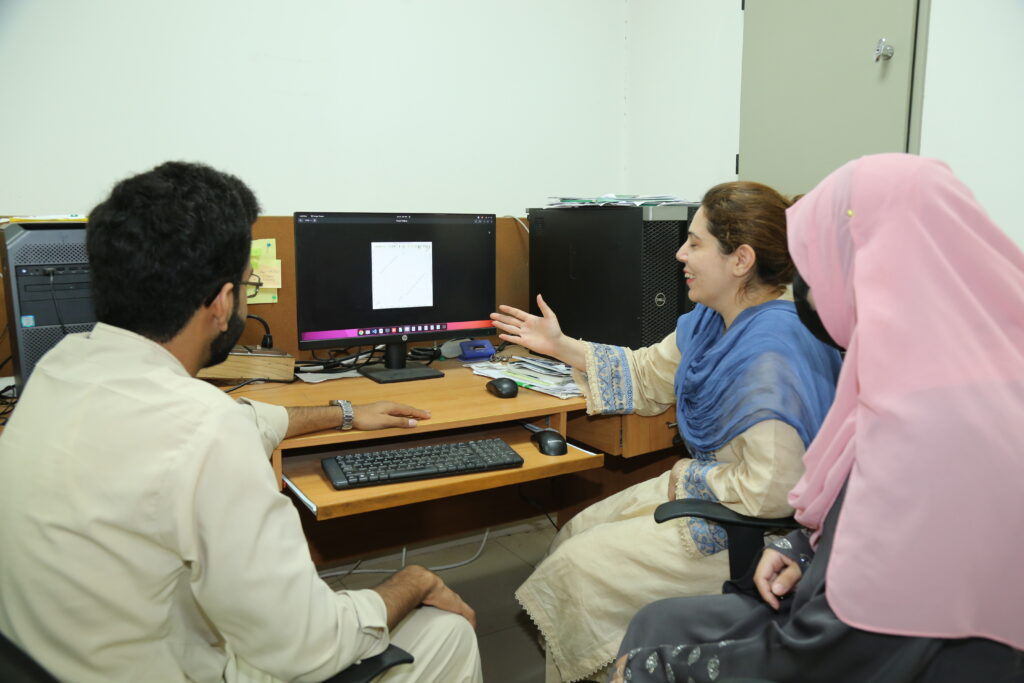
Turn sequencing output into organized, interpretable results through computational analysis, workflow development, and reporting support.

Capacity Building
Build practical confidence in genomics and bioinformatics through hands-on learning, internships, and training opportunities.
Long-read sequencing. Flexible research possibilities.
Our work is built around Oxford Nanopore sequencing technology. Long-read capability and real-time data generation can support projects involving complex genomic regions, structural variation, microbial genomes, and other research questions.
The right workflow depends on the sample, research objective, data requirements, and available resources. We help connect those considerations with an appropriate sequencing and analysis pathway.
A connected genomics workflow
Long-read DNA sequencing strategies
Real-time data generation
Research-focused workflow planning
Integration with computational analysis
From the research question to the next discovery.
A collaborative process keeps the scientific objective at the centre of each stage.
Define the question
Discuss research goals, sample types, expected outputs, and timeline to determine a suitable approach.
Plan the workflow
Review sample requirements, sequencing options, quality considerations, and practical project needs.
Generate & analyse
Connect sequencing with appropriate computational workflows, quality assessment, and interpretation support.
Understand & grow
Review results and next steps, with training or knowledge transfer where it supports your team’s goals.
Project scope, deliverables, and timing are discussed individually according to research requirements.
Genomics for a range of research questions.
Different organisms and research objectives call for workflows built around the science.
Plant & Agricultural Genomics
Support research involving crop genomes, plant-associated pathogens, molecular variation, and agricultural biotechnology.
Microbial Genomics
Investigate microbial genomes, genome organization, organism characterization, and sequencing-based research questions.
Research & Method Development
Explore project-specific sequencing approaches, analytical workflows, and computational methods for emerging research needs.
Project suitability depends on the scientific question, sample type, and requirements.
Technical support that builds understanding.
We believe strong genomics support combines careful planning, computational thinking, clear communication, and practical knowledge transfer. Our aim is to help researchers understand the workflow behind their results and make informed decisions about what comes next.
What you can expect
Project-specific planning
Recommendations shaped around your objectives, samples, and intended outputs.
Connected expertise
Sequencing and computational analysis planned around the same research goals.
Knowledge transfer
Training can help research teams strengthen their in-house capabilities.
Frequently asked questions
Practical answers to help you identify the right starting point.
What sequencing technology does CAS-NGS use?
CAS-NGS works with Oxford Nanopore sequencing technology. The suitable approach depends on your sample, research question, and expected outputs. Visit our Technology page to learn more.
Can sequencing and bioinformatics be planned together?
Yes. Discussing both at the planning stage helps align data generation, analysis needs, and intended outputs. Explore our sequencing and bioinformatics services.
Who can benefit from CAS-NGS services?
Our services are intended for researchers, students, laboratories, academic institutions, and teams exploring sequencing or computational genomics. Project suitability is assessed according to the work required.
How do we start a project or ask about training?
Use our Contact page to describe your research goals, sample type, expected outputs, and timeline, or ask about current training and internship opportunities.
Let’s move your research forward.
Tell us about your research goals and technical requirements. We can discuss sequencing, bioinformatics, or training and the possible path forward.