Category: Uncategorized

  • D-8 Hands-On Training Workshop on Next-Generation Sequencing (NGS)

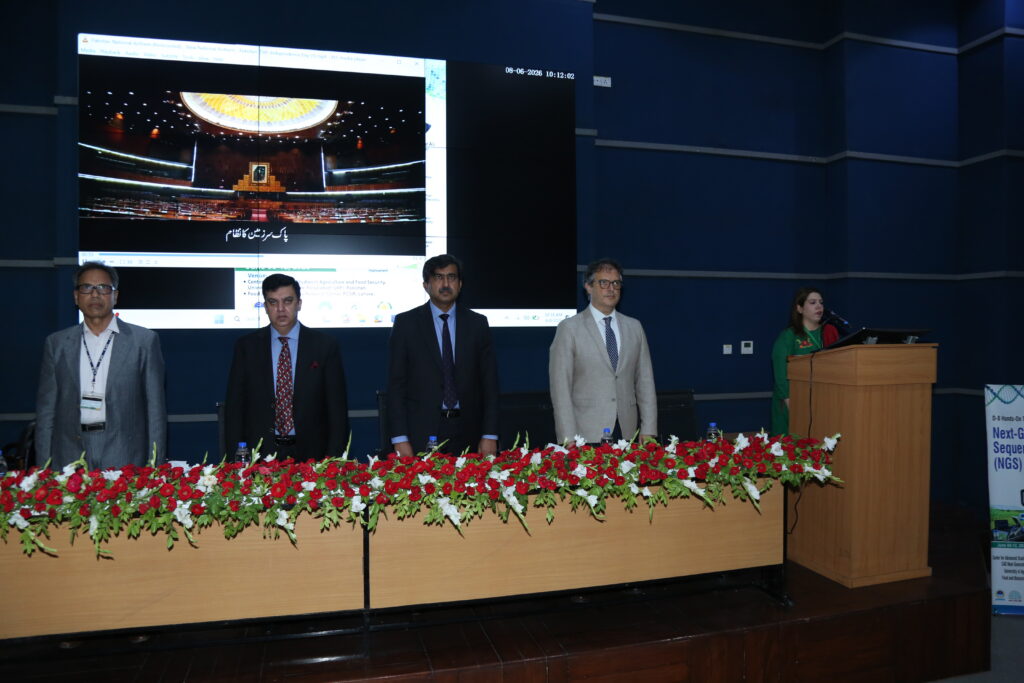
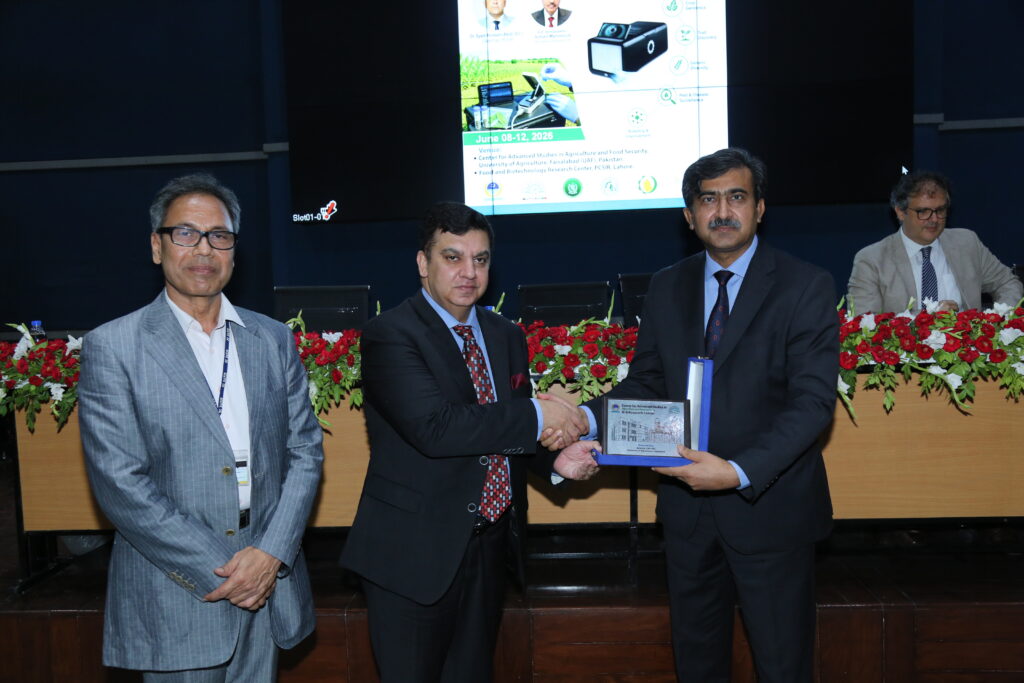
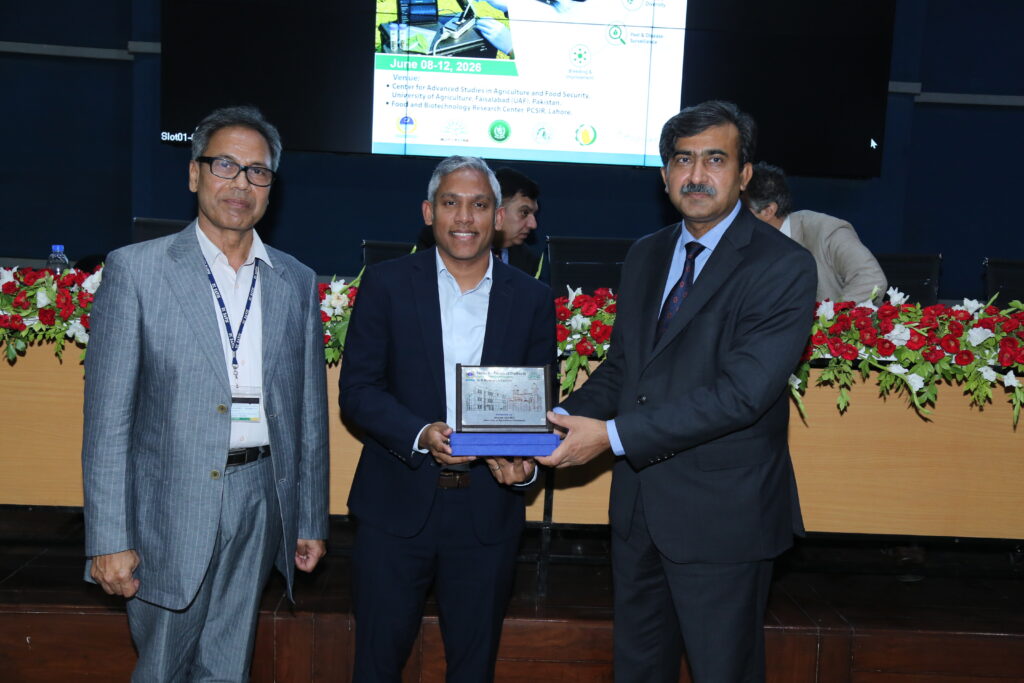
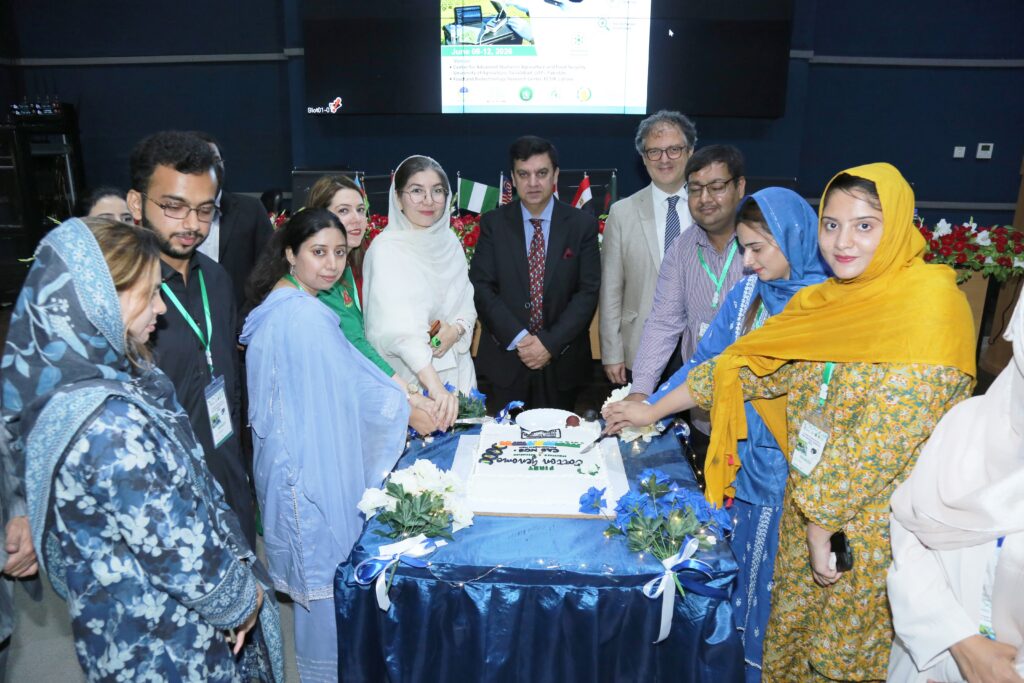
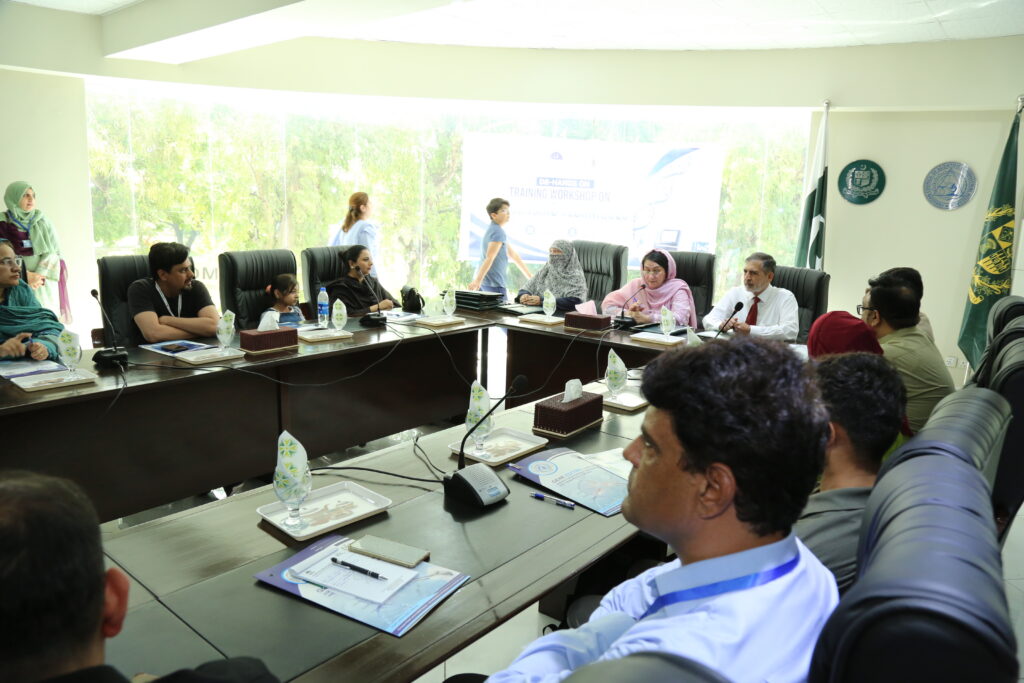
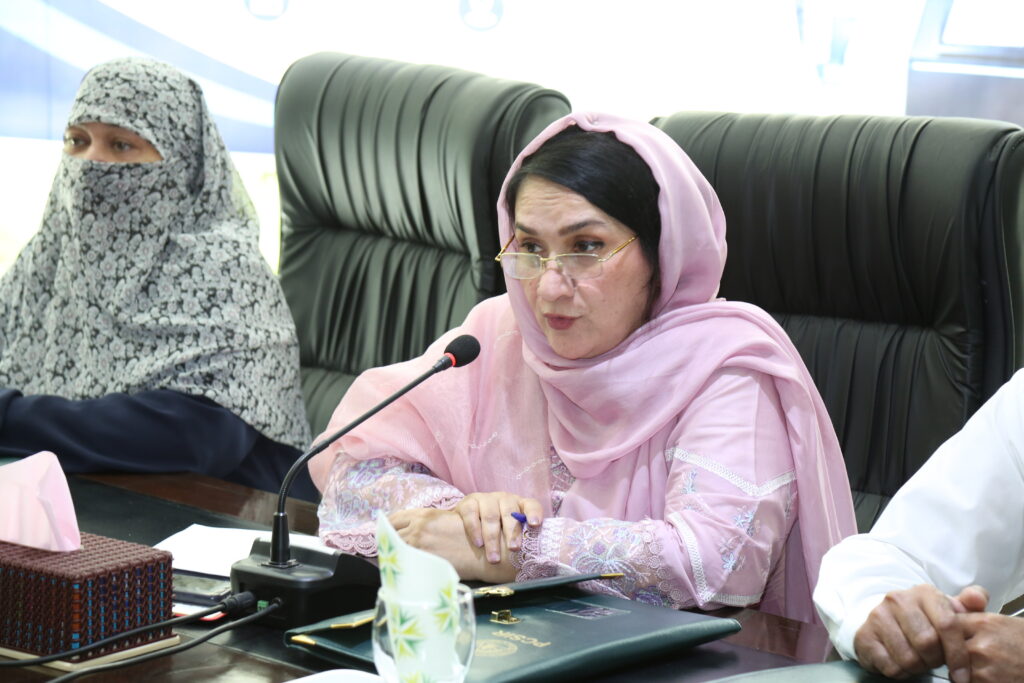
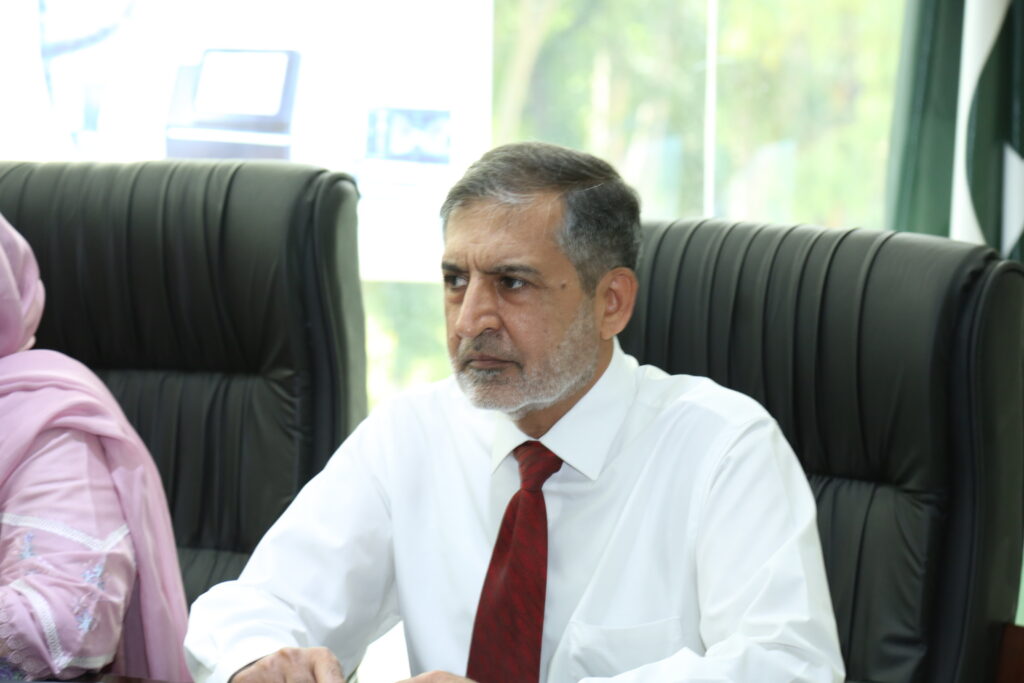
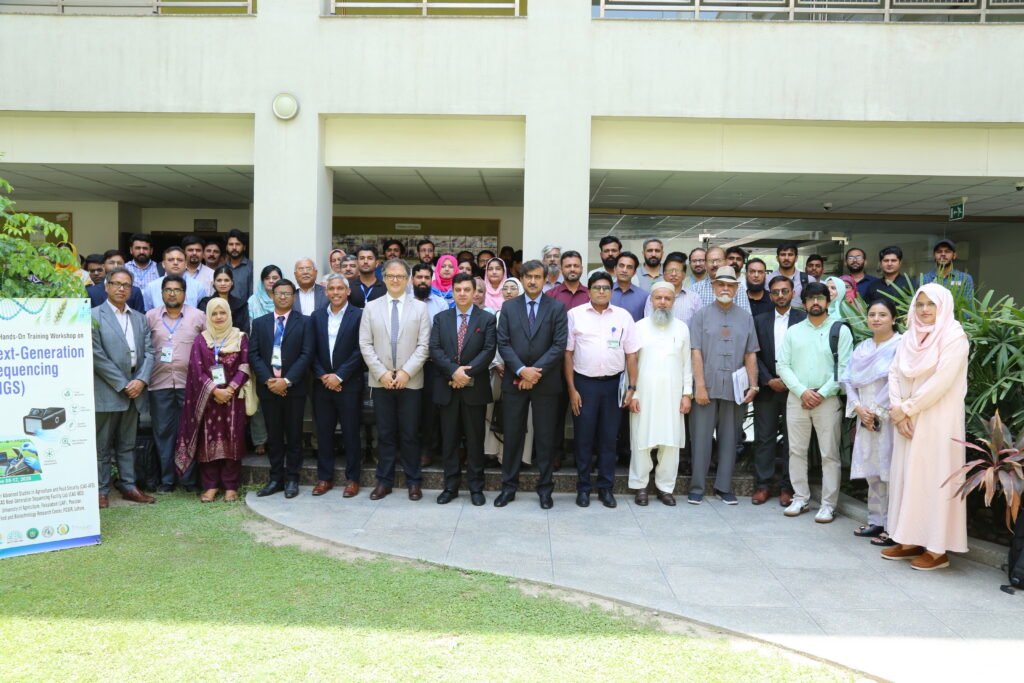
    The workshop was organized by the Center for Advanced Studies in Agriculture and Food Security (CAS-AFS), UAF the D-8 Research Center for Agriculture and Food Security and the National Center for Genome Editing (NCGE). D-8 Commissioner H.E Ahmed Amjad Ali has said that D-8 countries have a great potential to address common challenges. He addressed inaugural session of D-8 Hands-On Training Workshop on Next-Generation Sequencing (NGS) at University of Agriculture Faisalabad. D-8 Commissioner H.E Ahmed Amjad Ali said that Allah has granted with fertile land, and crops. We need to do more research to how to gain all these blessings. He said that last year, Azerbaijan became the ninth member of D-8. It is a blend of countries, and I’m sure this organization or this grouping is very important.
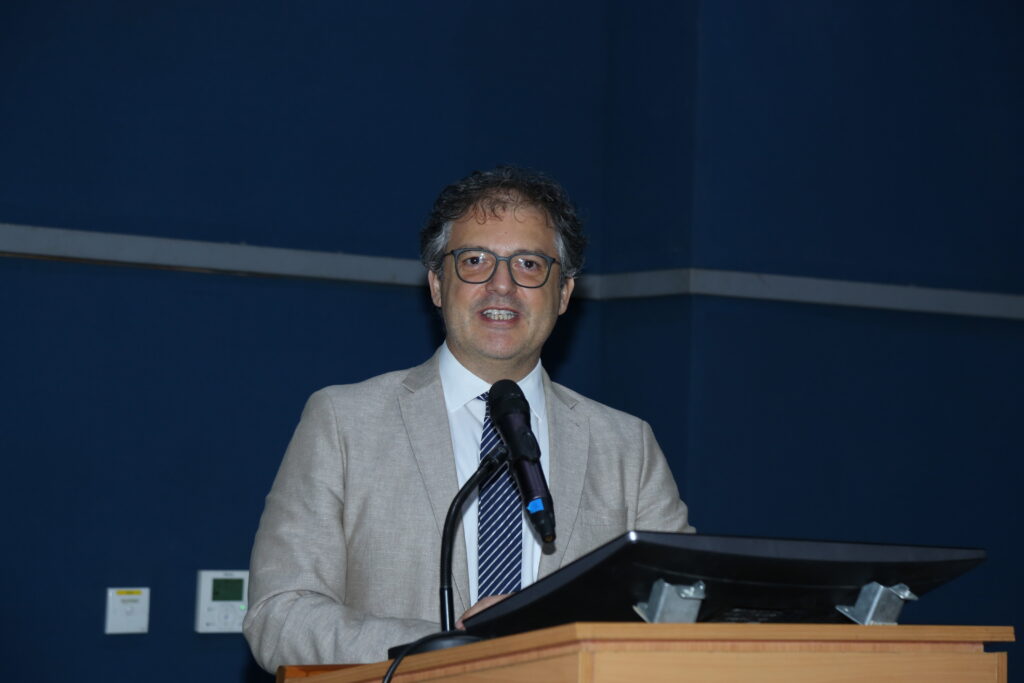
    Consul General of Türkiye H.E Mehmet Eymen Şimşek, said D-8 is the platform bringing diverse countries, diverse cultures together for address challenges.
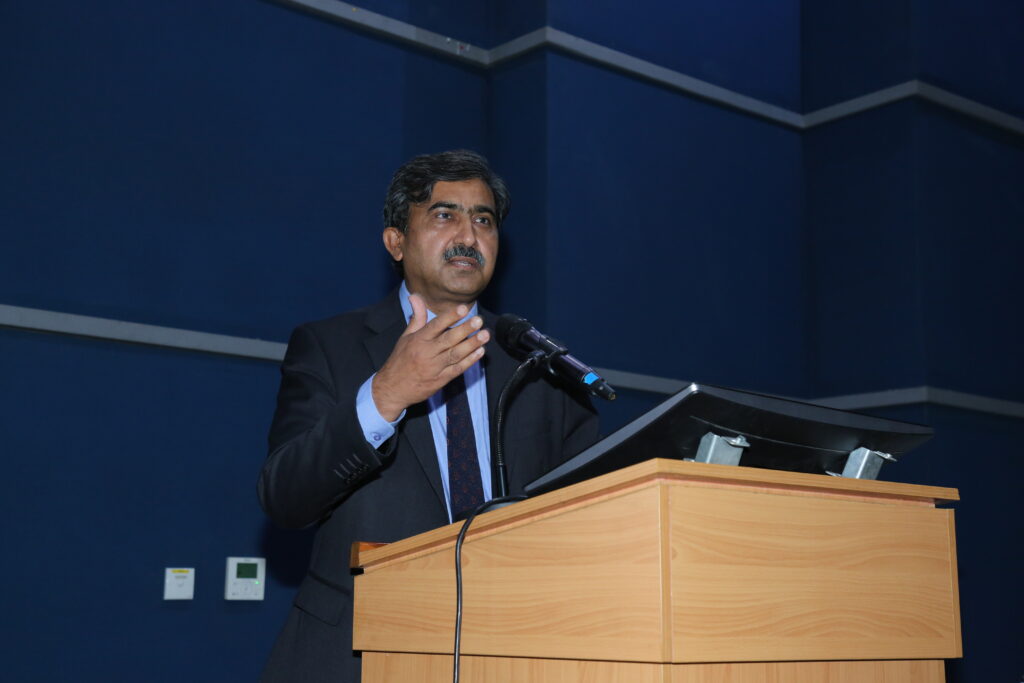
    Vice Chancellor Prof. Dr. Zulfiqar Ali highlighted the transformative role of genomic technologies in modern agriculture, food security, and sustainable development. He said that Next-Generation Sequencing has revolutionized research. He said that agricultural sector must embrace cutting-edge technologies to address emerging challenges such as climate change, food insecurity, and declining natural resources. He said that strengthening the capacity of young researchers and scientists in advanced genomic tools would help the country develop resilient crop varieties and enhance agricultural productivity.
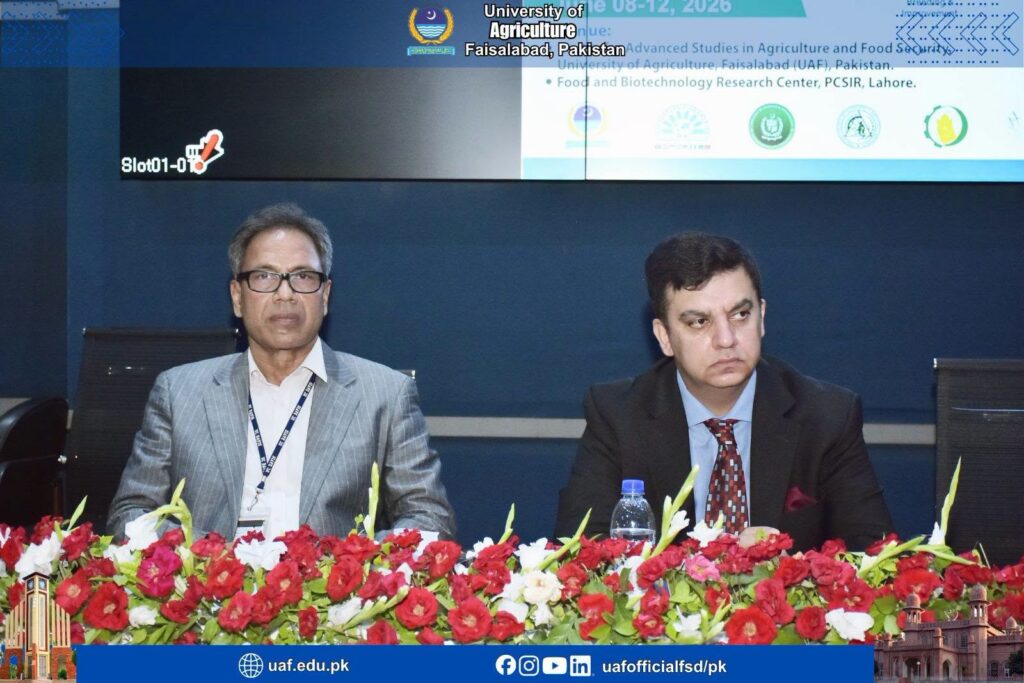
    Prof. Dr. Sultan Habibullah Khan, Project Director NCGE and ORIC Director, said that the workshop has brought together researchers, faculty members, postgraduate students, and professionals from various institutions to gain practical exposure to Next Generation Sequencing technologies and data analysis techniques. He noted that participants would receive hands-on training on sample preparation, sequencing platforms, bioinformatics applications, and interpretation of genomic data. He added that NGS has become an indispensable tool for crop genomics, trait discovery, genetic diversity analysis, breeding programs, and pest and disease surveillance. The training will help participants enhance their technical expertise and contribute effectively to research and innovation in agriculture and life sciences.
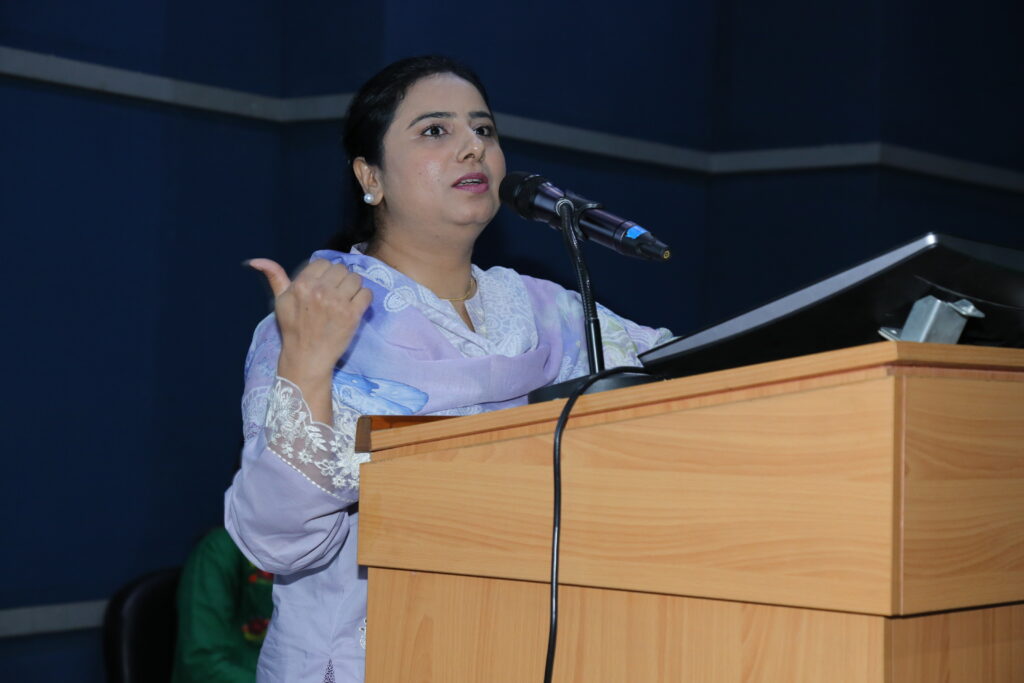
    Director CAS, Dr. Zunaira Afzal said that genomic data has evolved beyond a purely research-oriented asset and is now considered a strategic national resource. He said that genomic information plays a crucial role in ensuring food security, strengthening disease preparedness, enhancing biosecurity measures, advancing precision medicine, and protecting indigenous biodiversity.
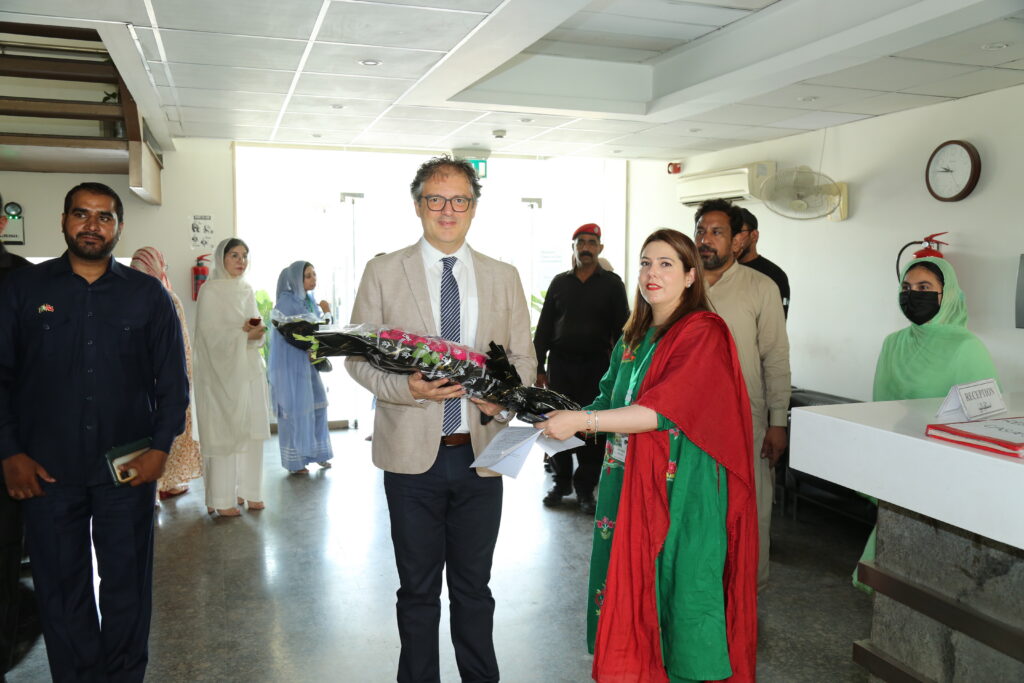
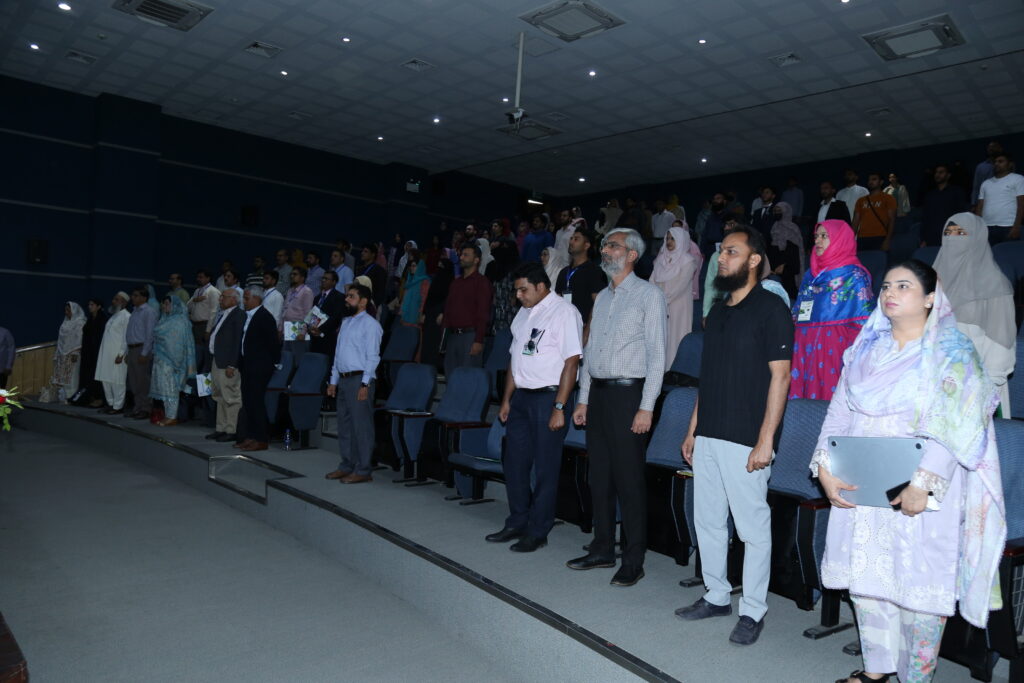
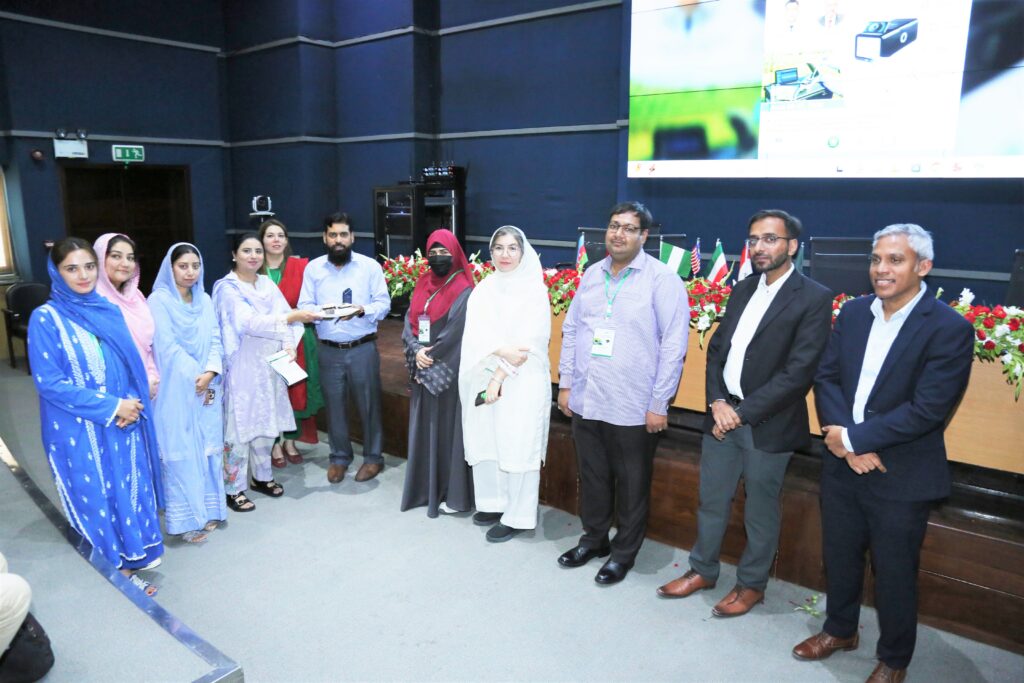
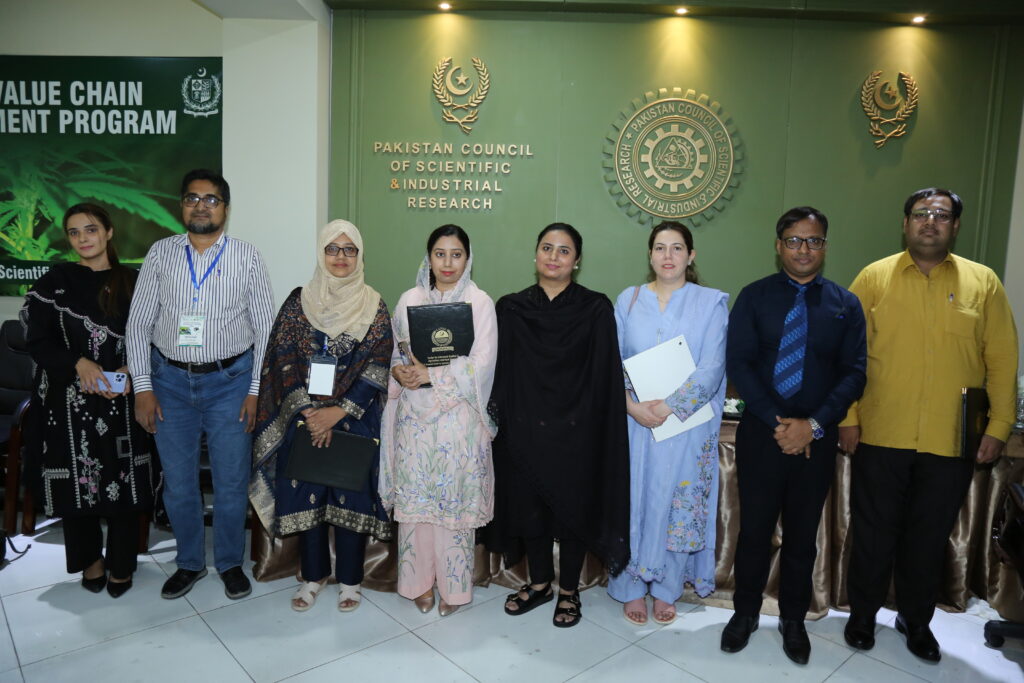
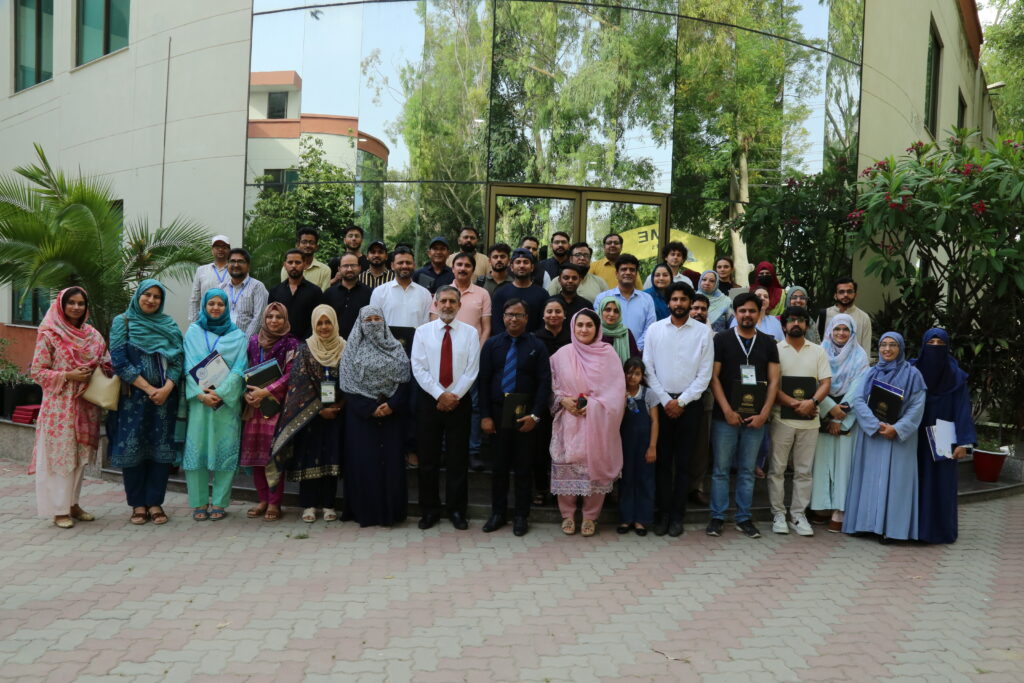
    The D-8 Hands-on Training Workshop on Next Generation Sequencing (NGS) was successfully conducted at the Center for Advanced Studies in Agriculture and Food Security (CAS-AFS), University of Agriculture, Faisalabad, from 08-12 June 2026. The workshop was conducted in collaboration with Pakistan Council of Scientific and Industrial Research (PCSIR) Laboratories Complex (PCSIR-LLC), Lahore, under the supervision of Dr. Quratulain Syed, Director General PCSIR Lahore, and Prof. Dr. Sultan Habibullah Khan, Project Manager, GenEd.

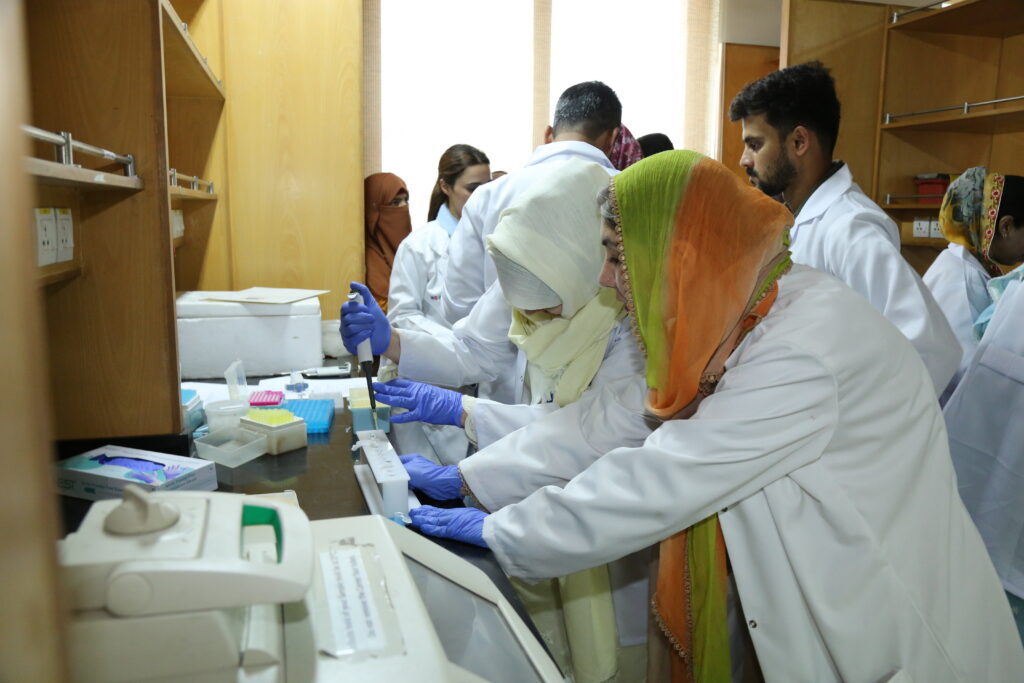
    The event brought together researchers, scientists, academics, and biotechnology professionals from D-8 member countries, along with leading Pakistani universities and research organizations, to strengthen regional capacity in modern genomic technologies and sequencing applications. The event emphasized practical exposure to sequencing workflows, quality control procedures, data generation, and the application of NGS in agriculture, biological sciences, and genomics research.

    Objectives of the Workshop

    • Provide hands-on training in conventional and advanced sequencing technologies.
    • To expose participants to the diverse applications of NGS in agriculture, food security, human health sciences, microbial genomics, and industrial biotechnology.
    • Build technical capacity in Next Generation Sequencing technologies.
    • Provide hands-on experience in Oxford Nanopore Technologies (ONT) based sequencing workflows.
    • Equip participants to sample and library preparations, sequencing operation and data analysis.
    • To foster scientific collaboration and knowledge sharing among D-8 member countries.
    • Strengthening networking and encourage development of national consortium for genomic innovation in Pakistan.

    Participation from International Delegates

    • Bangladesh Agricultural Research Council
    • Bangladesh Agricultural Research Institute
    • Gazipur Agricultural University

    Participation from Pakistani Institutions

    • National Institute for Biotechnology and Genetic Engineering (NIBGE)
    • Punjab Institute of Nuclear Medicine (PINUM)
    • Agriculture Biotechnology Research Institute (ABRI)
    • Muhammad Nawaz Sharif University of Agriculture
    • Dr. A.Q. Khan Institute of Biotechnology and Genetic Engineering (KIBGE)
    • Dow University of Health Sciences
    • Lahore University of Management Sciences (LUMS)
    • National Centre of Excellence in Molecular Biology (CEMB)
    • University of Veterinary and Animal Sciences (UVAS)
    • National Institute for Genomics and Advanced Biotechnology (NIGAB)
    • Pakistan Agricultural Research Council (PARC)
    • Institute of Biomedical and Genetic Engineering (IBGE)
    • National Institutes of Health (NIH)
    • University of Agriculture Faisalabad
    • Pakistan Council of Scientific and Industrial Research (PCSIR)

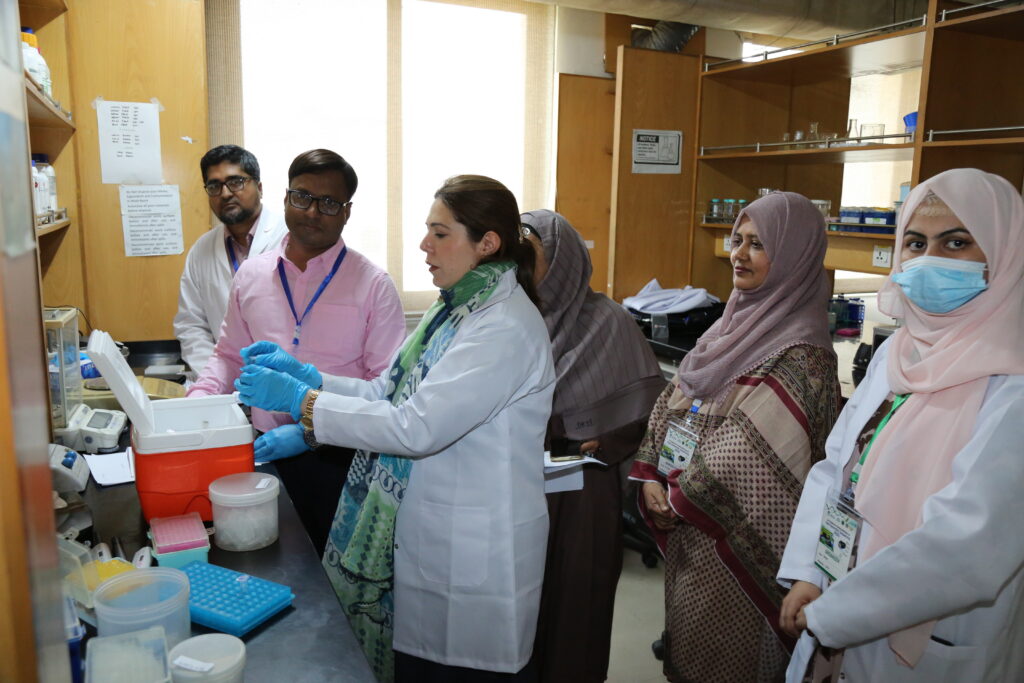
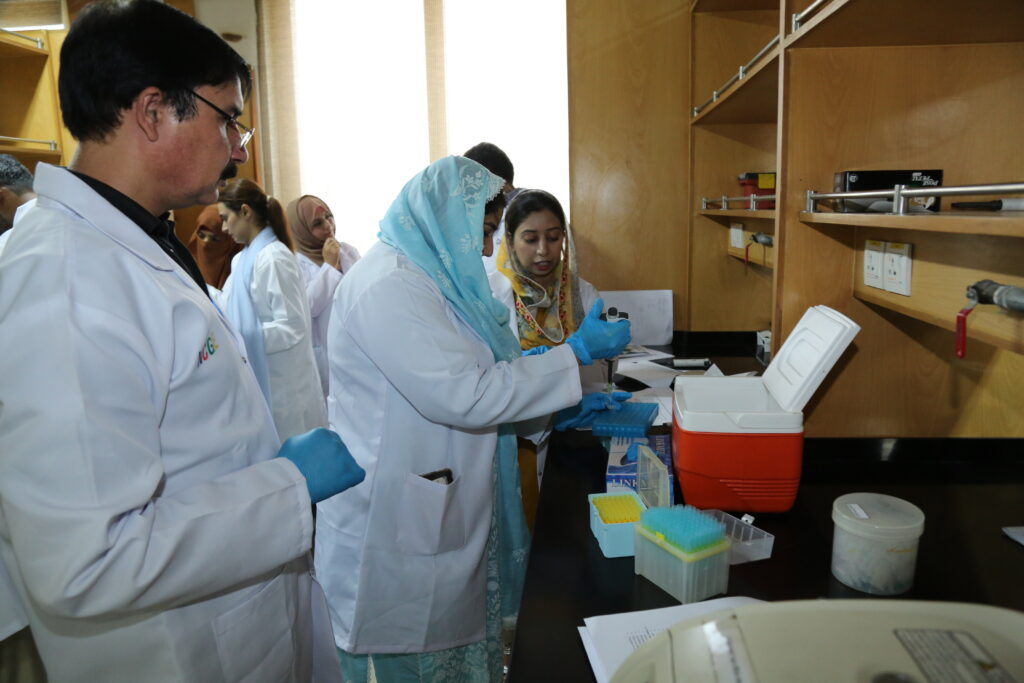
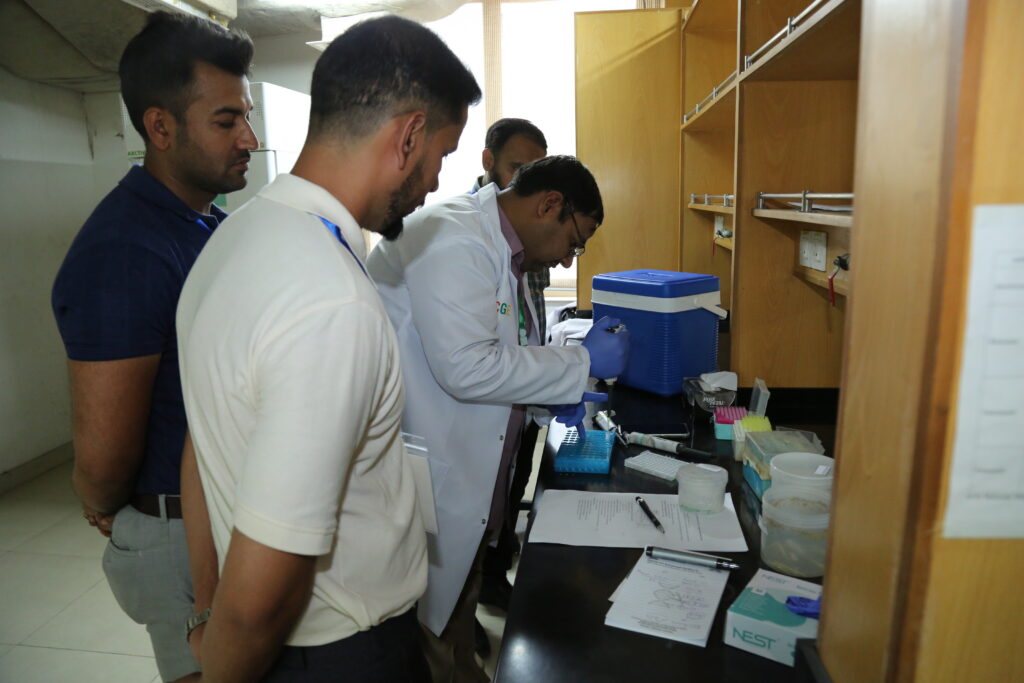
    Hands-on Training Sessions at CAS-NGS
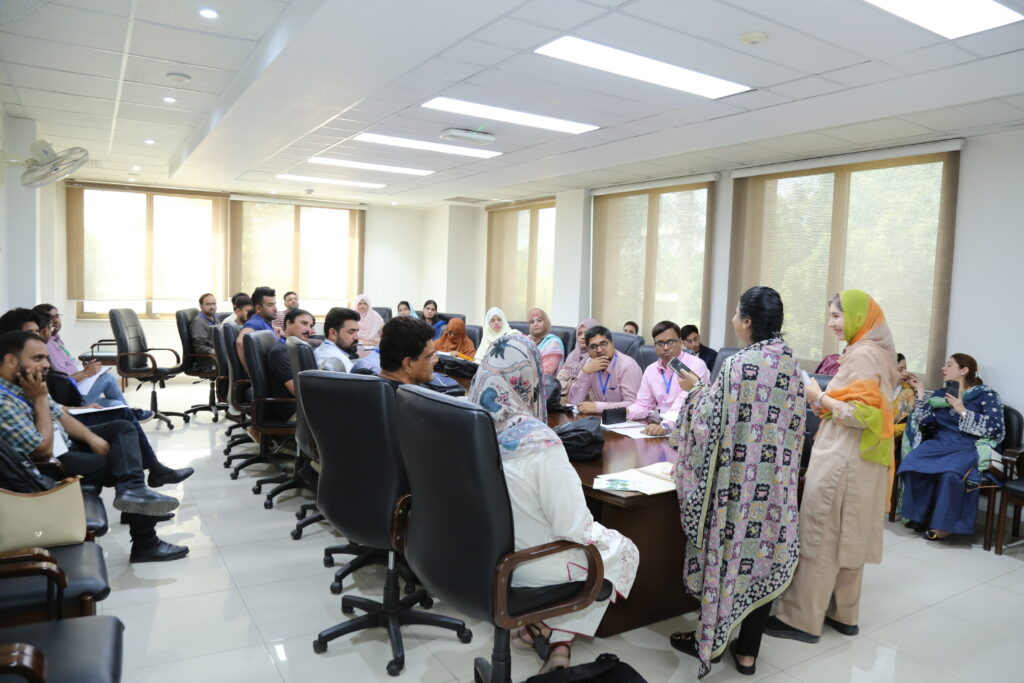
    Hands-on Training Session at PCSIR, Lahore
  • A visit of Turkish Academician Prof. Dr. Zeliha Selamoglu at CAS-NGS

    A visit of Turkish Academician Prof. Dr. Zeliha Selamoglu at CAS-NGS

    Recently, a Turkish academic Prof. Dr. Zeliha Selamoglu, Department of Medical Biology, Faculty of Medicine, Niğde Ömer Halisdemir Üniversitesiat (Turkey) visited the Center for Advanced Studies (CAS) and Next generation sequencing laboratory (NGS Lab).

    The visit was facilitated by Dr. Tahseen Azhar, Director External Linkages UAF, and was attended by Dr. Farhat Jabeen, Dean of Faculty of Life Sciences and Dr. Sadia Zafar, Department of Botany, Government College University Faisalabad (GCUF).

    The visit reflected a shared commitment to academic diplomacy, international partnerships, and collaborative research initiatives, with the aim of further strengthening academic and scientific linkages between Pakistani and Turkish institutions.

  • Inauguration of Commercialization of NGS Facility

    Inauguration of Commercialization of NGS Facility

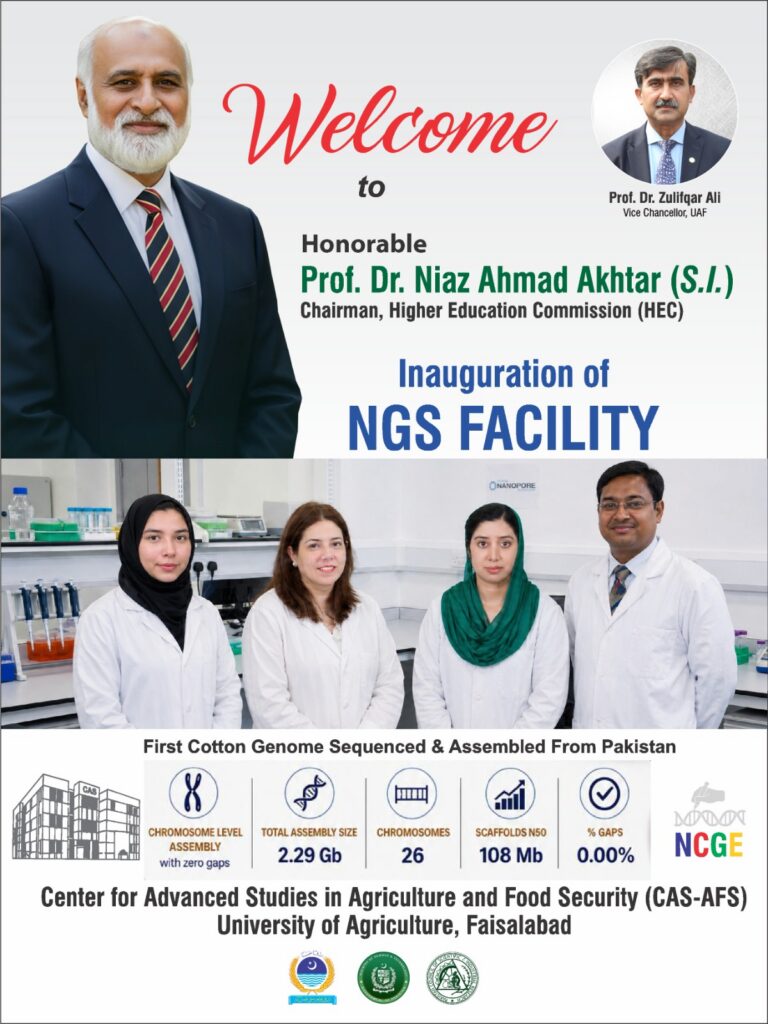
    Visit of Chairman HEC to CAS-AFS and Inauguration of Commercialization of NGS Facility

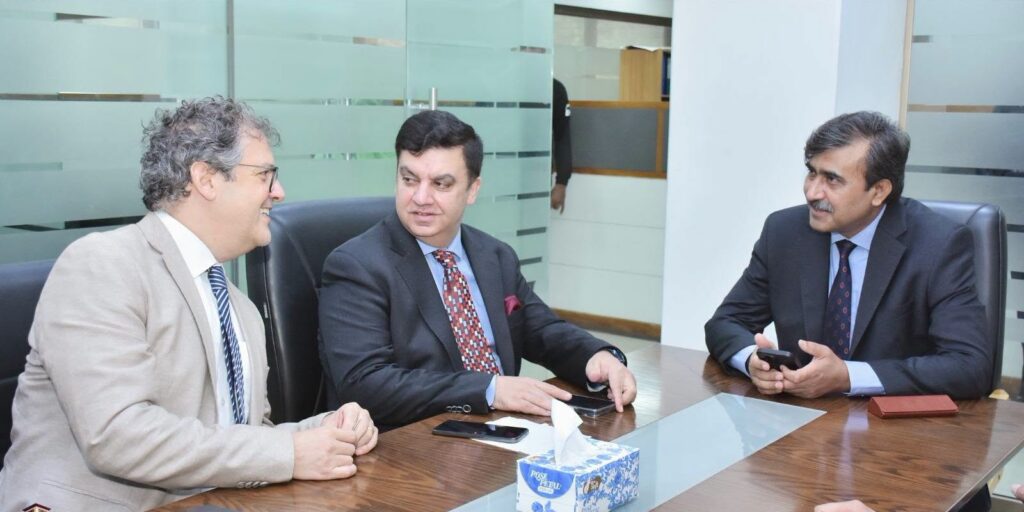
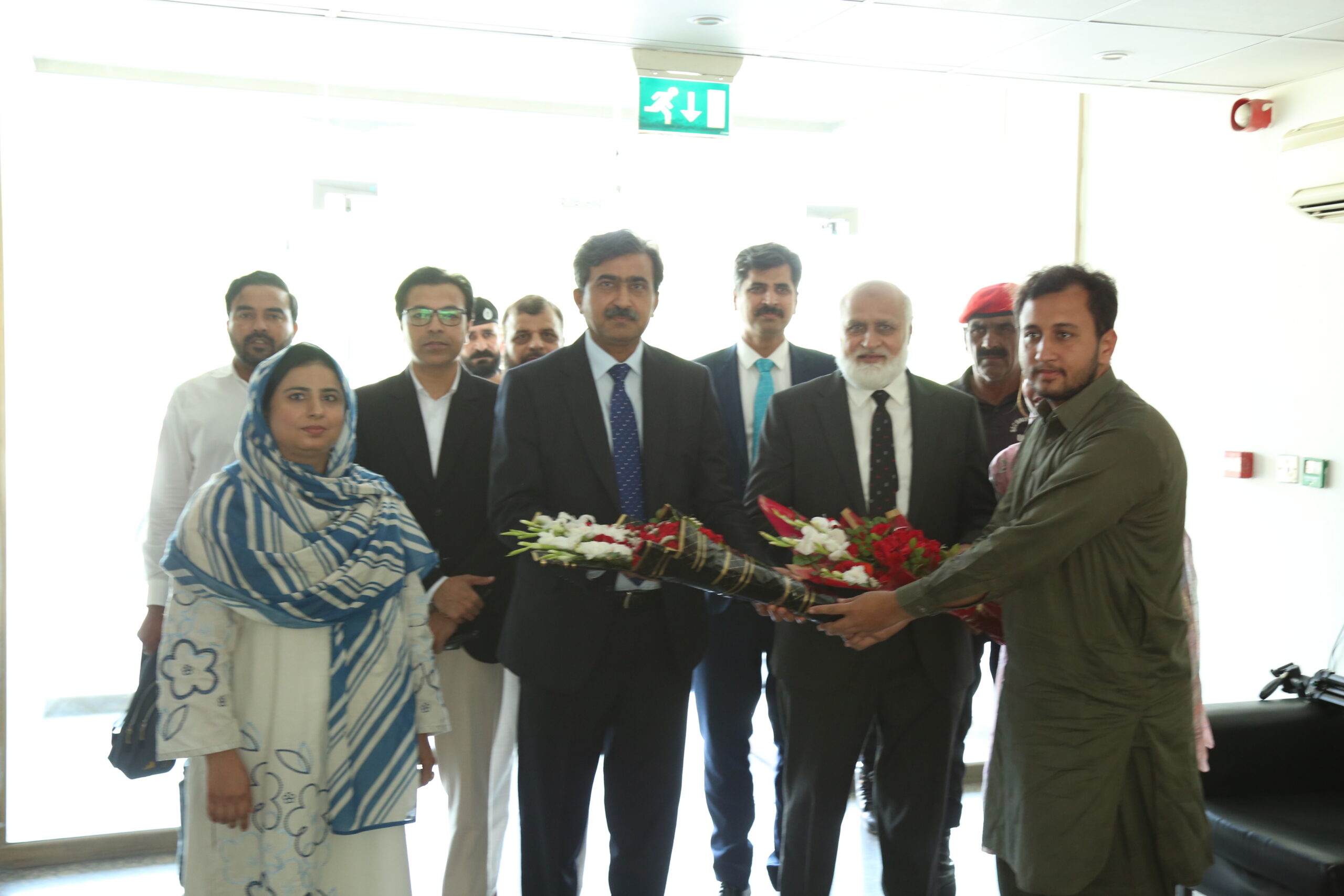
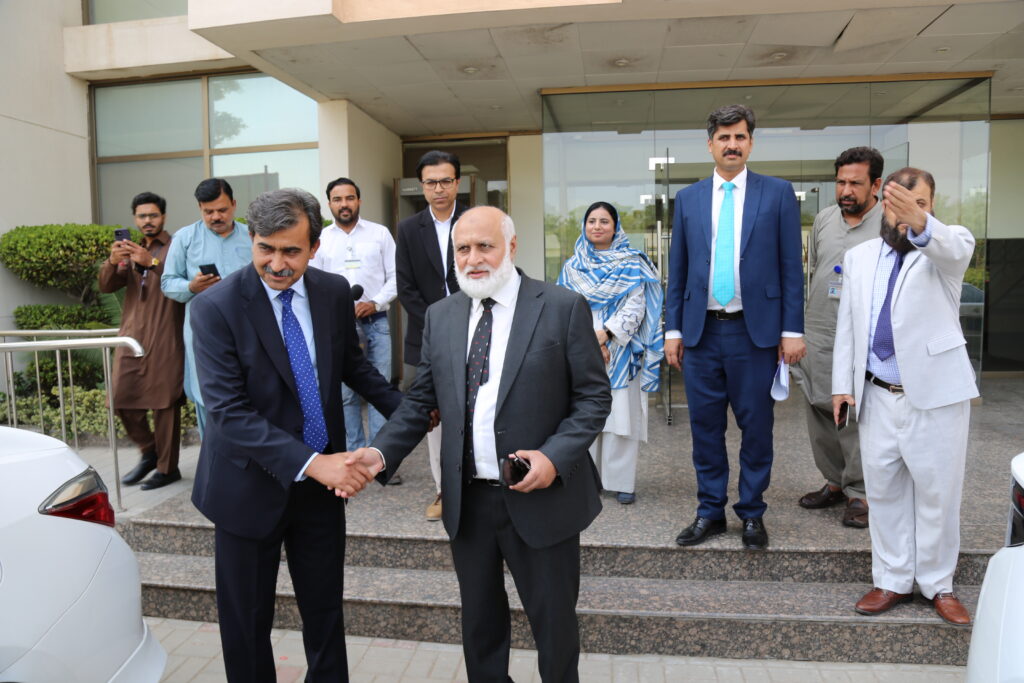
    The Chairman, Higher Education Commission (HEC), visited the Center for Advanced Studies in Agriculture and Food Security (CAS-AFS), University of Agriculture, Faisalabad, on 30th April 2026. During the visit, he formally inaugurated the commercialization of the Next-Generation Sequencing (NGS) facility established at CAS-AFS.

    The inauguration ceremony included the unveiling of the facility, followed by prayers for the success, sustainability, and national impact of this initiative. After the ceremony, the Chairman was shown the operational NGS facility and the available sequencing setup.

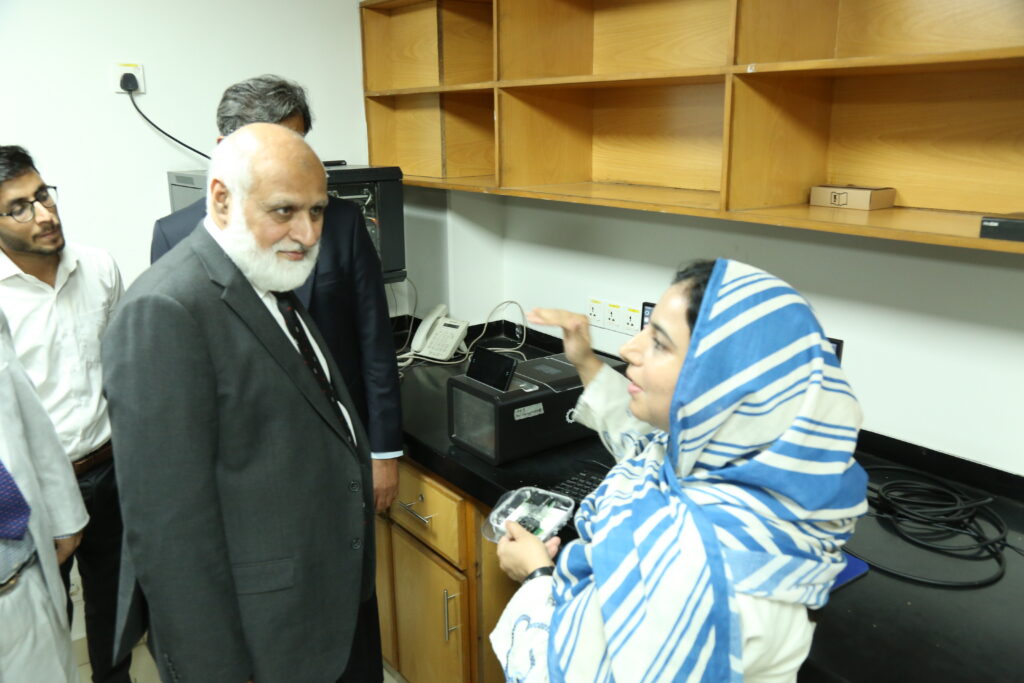
    The CAS-AFS team briefed the Chairman on the NGS platform, its operational workflow, and its applications in genomics research. The technology was demonstrated by showing sequencing flow cells, generated run reports, and sequencing outputs. The team also showed him ongoing sequencing samples, including desi cottonand a locally developed hemp variety, highlighting the facility’s role in sequencing indigenous and locally important germplasm.

    It was explained that this facility has the potential to support a sustainable and locally available NGS ecosystem in Pakistan. The Chairman was further briefed that strengthening in-country sequencing capacity is strategically important, as it will reduce dependence on foreign sequencing services, help protect precious national germplasm, and address concerns related to biological data privacy and scientific sovereignty. The facility can support research in agriculture, biodiversity, crop improvement, pathogen surveillance, food security, and other areas of national importance. The Chairman appreciated the initiative and gave a positive response, acknowledging the importance of establishing such advanced genomics infrastructure within Pakistan. He encouraged the team before departing from CAS-AFS.

  • How Oxford Nanopore Sequencing Helps Turn Complex Samples Into Actionable Insights

    How Oxford Nanopore Sequencing Helps Turn Complex Samples Into Actionable Insights

    Advancing Genomics With Practical Support

    At CAS-NGS, we help researchers, laboratories, and institutions move from biological samples to meaningful genomic insights with confidence. By combining DNA sequencing services, bioinformatics analysis, and hands-on capacity building, we support customers who need both reliable results and a stronger foundation for future work.

    Our work is centered on Oxford Nanopore sequencing technology, a flexible platform that enables real-time data generation, long-read sequencing, and adaptable workflows across a wide range of applications. Whether a project involves pathogen surveillance, microbial genomics, targeted sequencing, or training a new generation of scientists, our goal is to make advanced genomics more accessible and more useful.

    What CAS-NGS Offers

    • DNA sequencing services for research, diagnostics support, and specialized genomics projects
    • Bioinformatics analysis to transform raw sequencing output into interpretable results and reports
    • Courses and internships that build practical skills in sequencing workflows and data analysis
    • Capacity-building partnerships for institutions seeking to strengthen local genomics expertise

    Why Long-Read Sequencing Matters

    Many genomics projects are limited not by ambition, but by the difficulty of generating clear, usable data from complex samples. Long-read sequencing can help overcome these challenges by improving genome assembly, resolving structural variation, and supporting more complete analysis of difficult regions.

    When sequencing and analysis are aligned from the start, researchers can spend less time troubleshooting data and more time answering important scientific questions.

    Oxford Nanopore technology is especially valuable for teams that need flexibility, speed, and scalable workflows. CAS-NGS helps customers apply that technology effectively by pairing technical execution with analytical support, so each project is designed around the question being asked rather than a one-size-fits-all process.

    Supporting Customers Beyond The Run

    Sequencing is only one part of a successful genomics project. Customers also need guidance on experimental design, data interpretation, and the practical steps required to build sustainable in-house capability. That is why CAS-NGS goes beyond service delivery to provide training and mentorship opportunities through courses and internships.

    For universities, laboratories, and research programs, this integrated approach creates immediate value while also strengthening long-term scientific capacity. Instead of receiving data in isolation, customers gain a partner that can help them understand results, improve workflows, and develop technical confidence over time.

    Who We Work With

    • Academic researchers exploring genomics applications
    • Laboratories seeking sequencing and analysis support
    • Institutions building local bioinformatics capacity
    • Students and early-career scientists pursuing practical training

    Looking Ahead

    As genomics becomes increasingly important across research, public health, and applied biotechnology, access to dependable sequencing and bioinformatics support will continue to matter. CAS-NGS is committed to helping customers navigate that landscape with modern technology, practical expertise, and a strong focus on knowledge transfer.

    If you are planning a sequencing project, expanding your analytical capabilities, or looking for training opportunities in genomics, CAS-NGS is ready to help you take the next step.